September 1, 2026
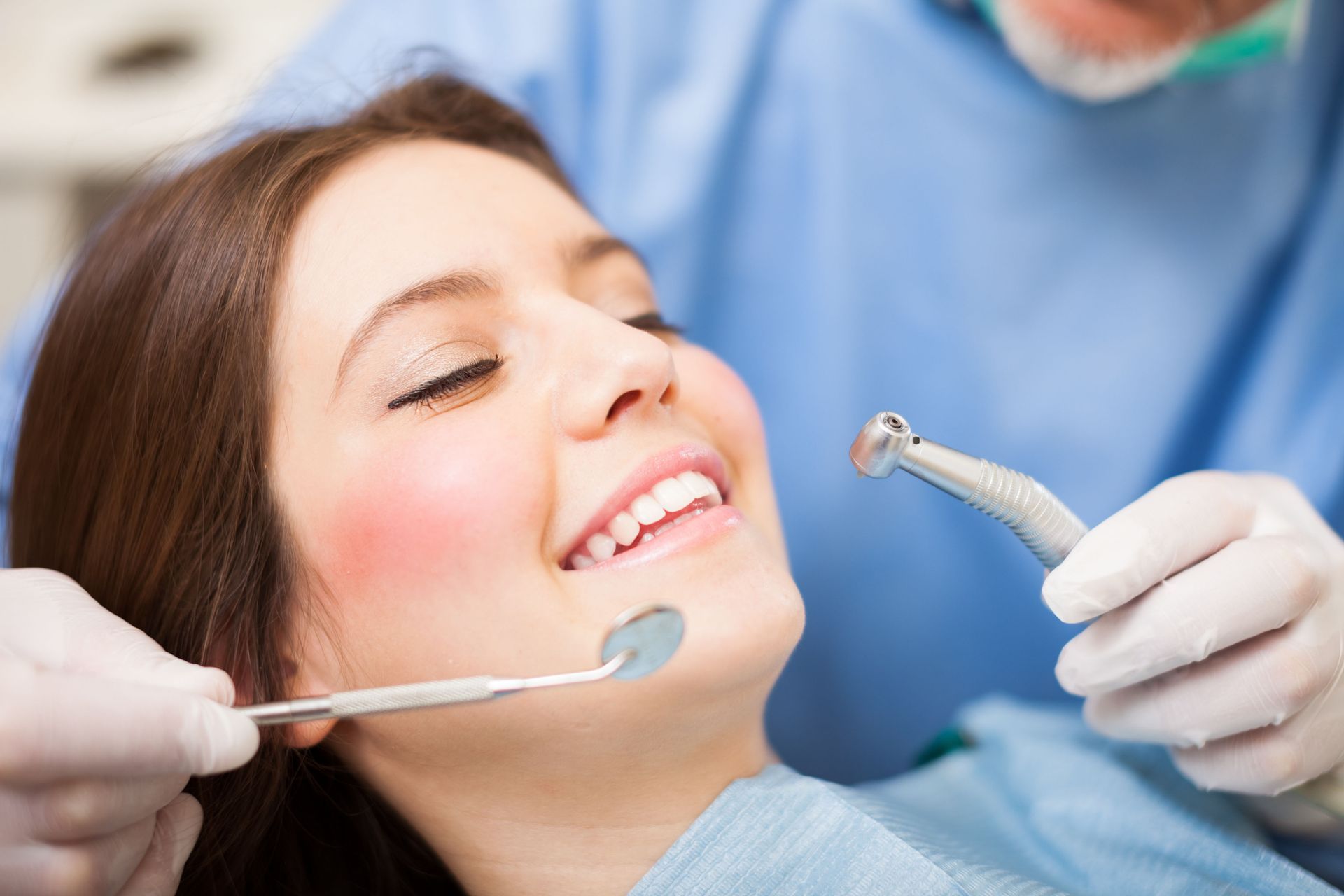
Visiting the dentist for a routine dental cleaning is a crucial step in maintaining oral health. Many individuals feel anxious about dental appointments because they are unsure of what to expect. This article provides a comprehensive guide to what happens during a routine dental cleaning, helping you prepare for your next visit.
Cleaning Your Teeth
Evaluating Routine Primary Benefits
Regular dental cleanings are fundamental in preventing numerous oral health issues and sustaining overall dental wellness. Plaque and tartar build up over time, leading to cavities and gum disease if left unaddressed. Visiting a dentist at least twice a year keeps these challenges at bay. According to the American Orthodontic Society, about 80% of dentists offer general dentistry services, which includes routine cleanings.
Preventing Complex Oral Issues
Dental cleanings play a significant role in the early detection and prevention of serious oral health issues. During a cleaning, dentists identify potential concerns before they become severe, saving patients from painful complications. Preventive care is highly cost-effective, preventing the need for complex restorations like dental implants or extensive oral surgery later on. Early intervention preserves natural tooth structure and protects long-term oral health.
Building Proactive Hygiene Habits
Routine dental visits encourage consistent, high-quality home care routines tailored to each patient. Dentists provide personalized recommendations on balanced diets, effective brushing, and proper flossing techniques. Over time, this education fosters a proactive approach to daily oral maintenance. Patients who actively participate in their routine care suffer fewer serious dental concerns throughout their lives.
Conducting the Pre-Cleaning Examination
Reviewing Complete Medical Histories
Before beginning any cleaning, a dental professional conducts a thorough review of the patient’s medical history. This evaluation accounts for previous dental procedures, current medications, and underlying systemic health conditions. Understanding these factors ensures safe, customized care during the visit. Certain medications directly impact oral health, requiring tailored cleaning protocols for each individual.
Inspecting Existing Oral Structures
The preliminary examination involves a detailed inspection of the mouth, natural teeth, and existing restorations such as dental implants. This step helps identify immediate concerns like active cavities or structural wear. Catching these issues early leaves open a wider variety of conservative treatment options. Patients can address minor concerns promptly during the cleaning or plan future follow-up visits.
Measuring Overall Periodontal Health
Detecting gum disease early is vital for preventing irreversible tissue and bone loss. Dentists examine the gum line for redness, swelling, or bleeding and may perform gingival probing to measure pocket depths around teeth. Early detection allows for prompt interventions that reverse or manage gum inflammation effectively. Establishing a clear periodontal baseline protects both natural teeth and surrounding bone.
Navigating the Professional Cleaning Process
Scaling Heavy Tartar Accumulations
The foundation of every professional cleaning is the meticulous removal of plaque and tartar deposits. Hygienists utilize specialized instruments to clear buildup from hard-to-reach tooth surfaces that daily brushing misses. Cleaning around delicate restorations, including dental implants, requires precise techniques to keep surfaces clean and smooth. Eliminating these deposits serves as the primary defense against periodontal disease.
Polishing Surface Enamel Smooth
Following tartar removal, hygienists polish enamel using a gritty prophylaxis paste and a high-powered electric brush. Polishing smooths tooth surfaces, making it harder for new plaque to adhere while removing superficial stains. This gentle process brightens the smile without causing enamel abrasion. Beyond cosmetic enhancement, polishing provides a final thorough sweep of the tooth surfaces.
Executing Specialized Deep Cleanings
When patients exhibit signs of advanced gum disease, specialized procedures such as scaling and root planing become necessary. These deep cleaning techniques remove bacterial buildup beneath the gum line to encourage tissue healing. Maintaining clean tissue around natural teeth and dental implants prevents peri-implantitis and bone loss. Dentists discuss these specialized interventions whenever deeper care is required.
Utilizing Essential Dental Instruments
Deploying Precision Metal Scalers
Hand scalers and curettes feature specifically angled metal tips designed to lift plaque and tartar from tooth surfaces. Their precise design allows dental professionals to maneuver safely around complex oral contours. These tools exist in various shapes to address both above-and-below-gum cleanup. Mastering these hand tools forms the core of effective professional hygiene care.
Applying Custom Fluoride Trays
Custom-fitted or disposable fluoride trays hold therapeutic gel securely against the teeth during treatment. The trays ensure even coverage so fluoride can penetrate enamel efficiently over several minutes. Designed for patient comfort, these trays make the strengthening process fast and hassle-free. Utilizing trays maximizes the protective benefits of topical fluoride applications.
Vibrating Away Heavy Buildup
Ultrasonic instruments utilize high-frequency sound vibrations combined with a cooling water spray to shatter tough tartar. These advanced devices quickly disrupt large deposits, reducing manual scaling time significantly. Ultrasonic tools are especially beneficial when cleaning around delicate tissues or complex restorations like dental implants. Combining ultrasonic technology with hand scaling yields superior, comfortable cleaning outcomes.
Formulating Post-Cleaning Recommendations
Conducting Final Oral Assessments
After completing the physical cleaning, the dentist conducts a final evaluation of the entire oral cavity. They verify that all plaque has been removed and re-examine the gums for lingering inflammation. Documenting these findings helps track hygiene progress across consecutive appointments. This final review ensures every treatment goal was successfully met during the visit.
Identifying Emerging Dental Issues
The post-cleaning assessment highlights emerging issues that may require future restorative or preventive care. Spotting early signs of decay, structural wear, or failing dental work prevents sudden emergencies. Promptly addressing minor issues preserves overall oral stability and prevents costly future procedures. Patients receive clear explanations of any conditions requiring ongoing monitoring.
Scheduling Routine Follow-Up Visits
Establishing a consistent schedule for future appointments is essential for maintaining long-term oral wellness. Patients discuss the ideal timeline for their next routine cleaning, typically every six months. For individuals with specialized restorations, such as dental implants, regular maintenance visits protect the investment and ensure tissue health. Timely appointments reinforce preventive care as a lifelong health habit.
Overcoming Common Dental Anxiety
Managing In-Office Anxiety Effectively
Dental anxiety prevents many individuals from receiving essential preventive care, making supportive communication critical. Dental teams employ gentle techniques, clear explanations, and relaxation strategies to put anxious patients at ease. Knowing what to expect during a routine visit eliminates fear of the unknown. Overcoming anxiety allows patients to access gentle, routine care consistently.
Dispelling Myths About Discomfort
A common misconception is that professional dental cleanings are inherently painful procedures. Modern instruments and refined techniques ensure that routine cleanings are comfortable and virtually painless. Understanding that cleanings prevent painful dental emergencies helps reframe the experience positively. Communicating openly with the hygienist ensures immediate adjustments if any sensitivity occurs.
Demystifying Routine Gingival Probing
Gingival probing is a quick diagnostic measurement used to evaluate gum pocket depth and detect early periodontal disease. Although patients sometimes fear this step, it involves minimal pressure and provides critical diagnostic data. Learning that probing protects against bone loss reassures patients of its necessity. Routine probing ensures that gum tissue remains firm, healthy, and supportive.
A routine dental cleaning is an essential step in preserving your oral health, protecting your natural teeth, and preventing costly dental issues down the road. Understanding each step of the process empowers you to approach your appointments with complete confidence and peace of mind. Prioritizing regular preventive visits ensures your smile remains vibrant, healthy, and beautiful for years to come. To experience compassionate, high-quality care tailored to your unique needs, schedule your next visit with Hudson Valley Dental TMD & Facial Aesthetics.